Performance/Weight/Longevity
Protein
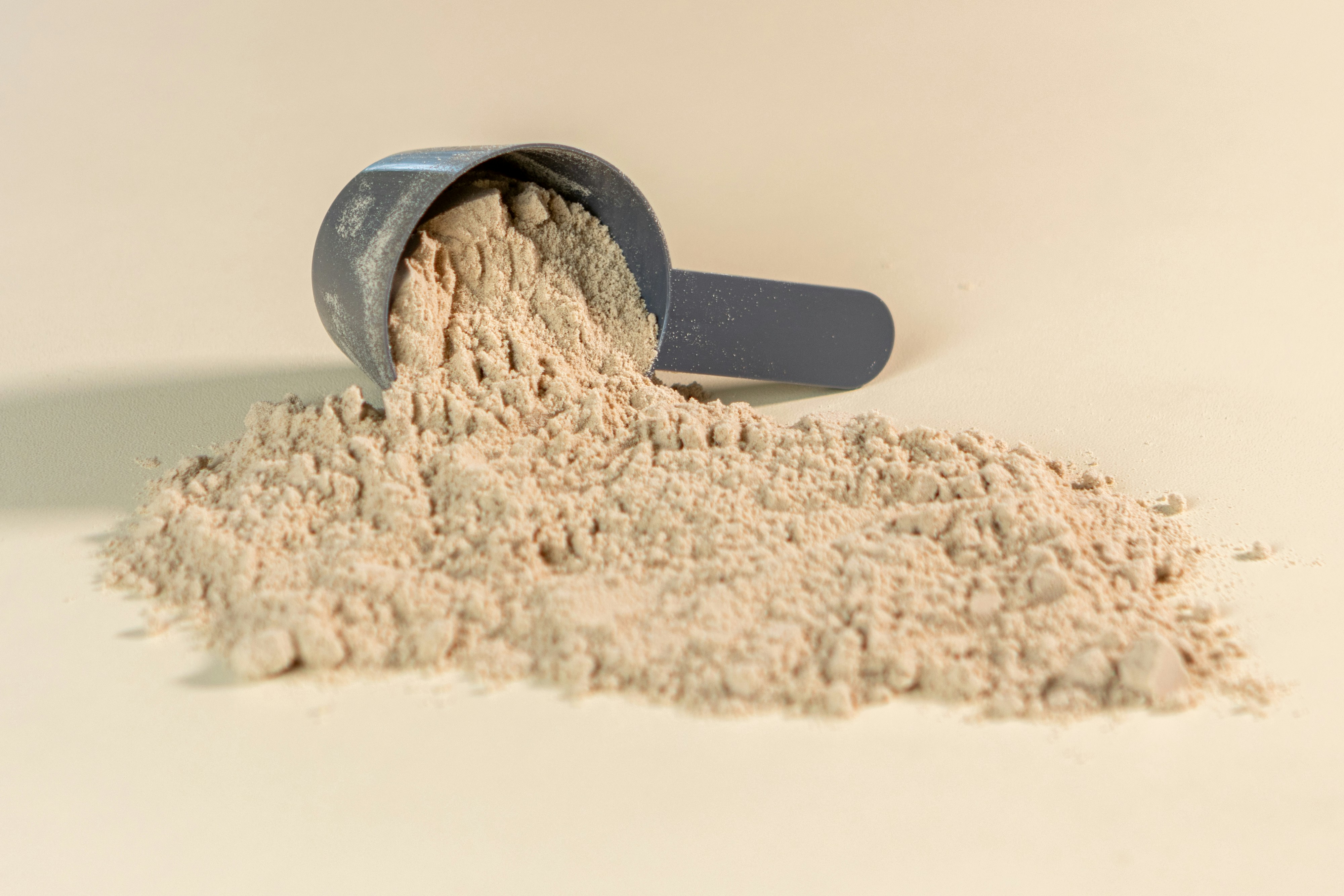
The most widely researched sports nutrition supplement, providing high-quality amino acids to support muscle protein synthesis, recovery, body composition, and satiety.
Protein
The most widely researched sports nutrition supplement, providing high-quality amino acids to support muscle protein synthesis, recovery, body composition, and satiety.
93
A
evidenceSafe
riskProven Benefits
01Increases muscle protein synthesis
02Enhances strength gains with training
03Supports lean mass preservation
04Promotes satiety and weight management
05Accelerates post-exercise recovery
06Reduces sarcopenia risk in older adults
07Improves cholesterol profile
Chemical Forms
Recommended
- Whey protein isolate (WPI, ~90% protein, low lactose)
- Whey protein concentrate (WPC, ~80% protein)
- Pea + rice protein blend (complete amino acid profile)
- Micellar casein (slow-release, overnight use)
Avoid
- Proprietary blends with undisclosed ratios
- Products with excessive added sugars (>5 g/serving)
- Amino spiked formulas (inflated protein claims)
Expert Note
WPI is best for purity; blends work for plant-based
Protocol
Amount
20 g - 40 g per serving
Frequency
1-3 times daily
When
Within 2 hrs of training; any time to meet daily needs
Condition-Based Dosing
Muscle growth with resistance training
1.6 - 2.2 g/kg/day total protein (food + supplement)
Weight loss while preserving lean mass
1.8 - 2.4 g/kg/day total protein, higher end during calorie deficit
Older adults / sarcopenia prevention
1.2 - 1.6 g/kg/day total protein; 25-40 g per meal
General health and satiety
20 - 30 g per serving, 1-2 times daily
Endurance athletes
1.4 - 1.8 g/kg/day total protein
Safety & Limits
Upper Safe Limit
No UL established; up to 2.5 g/kg/day well-tolerated in studies
Cycling
Safe for continuous use
Contraindications
Cow's milk allergy (for whey/casein; use plant-based alternatives)
Lactose intolerance (use WPI or hydrolysate; very low lactose)
Severe kidney disease (high protein may accelerate progression; medical guidance needed)
Phenylketonuria (some products contain phenylalanine)
Known allergy to soy, pea, or other plant protein source
Synergies
Complementary mechanisms: protein for MPS, creatine for ATP and cell hydration
Vitamin D supports muscle function and protein utilization
Key mTOR activator; useful to boost plant-based protein's anabolic signal
Avoid Combining With
- ✕Excessive fiber at same meal (may slow protein digestion)
- ✕Alcohol (impairs muscle protein synthesis and recovery)
- ✕Very high single doses >40 g (diminishing returns for MPS per meal)
Updated 4/15/2026